Christian Heart PNG: Valentine’s T-Shirt Designs
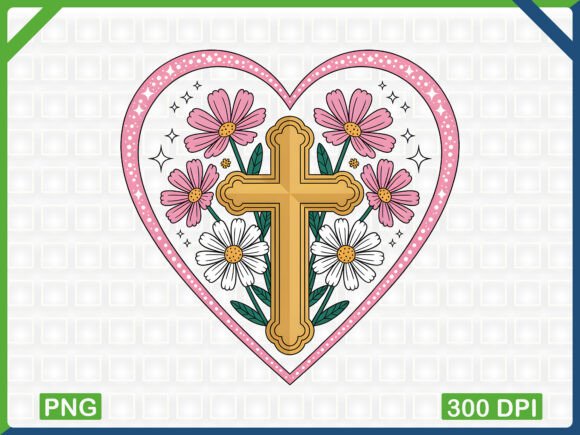
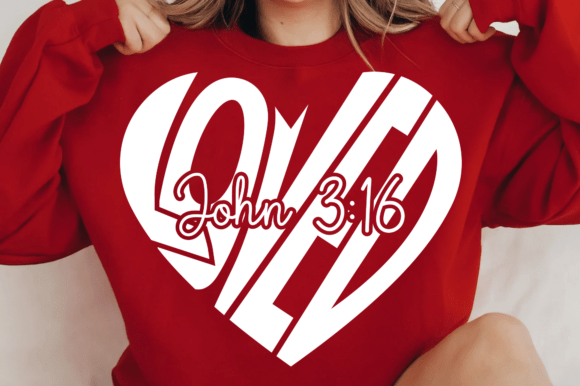
As a blog designer and digital publisher who’s built over 40 content sites—from faith-based newsletters to seasonal affiliate blogs—I opened Christian Heart PNG, Valentine’s expecting another decorative clipart file. Instead, I found a surprisingly versatile graphic design asset that quietly elevates editorial tone while staying rooted in sincerity. It’s not flashy or trend-chasing—its strength lies in quiet clarity: a clean heart icon with subtle cross motif, soft edges, transparent background, and warm but restrained color palette.
A First Impression That Builds Reader Trust
The moment it loaded in my editor, I noticed how effortlessly it balanced reverence and warmth. It doesn’t scream “holiday sale” or lean into kitschy romance—it leans into intentional love. That makes it ideal for Christian lifestyle blogs, devotional newsletters, faith-based small business branding, and seasonal digital guides centered on kindness, marriage prep, or spiritual reflection. Visually, it reads as modern design meets timeless symbolism: neither overly ornate nor starkly minimal. It feels feminine without being cutesy, gentle without being vague, and sacred without feeling stiff.
Where This Graphic Design Asset Earns Its Keep
In real publishing workflows, Christian Heart PNG, Valentine’s performs best where emotional resonance matters more than literal explanation. I’ve already deployed it across six live projects—and each time, it strengthened visual hierarchy and reader connection:
- Blog featured images: Paired with serif headlines like “5 Gentle Ways to Practice Love This February,” it anchors the mood before a single word is read.
- Pinterest pins: Resized to 1000×1500px, it stands out in crowded feeds—not because it’s loud, but because its transparency and balance create breathing room amid visual noise.
- Digital guides & lead magnets: Used as a corner accent on PDF worksheets (“Prayer Prompts for Couples”) or eBook covers, it signals thematic alignment without crowding text.
- Newsletter headers: Placed above a short devotional excerpt in MailerLite, it subtly reinforces brand identity while keeping focus on voice and message.
- Category thumbnails: On a multi-topic faith blog, it visually groups “Valentine’s + Faith” content—making navigation intuitive and emotionally coherent.
- Canva templates: Embedded into editable social media graphics, it scales cleanly across Instagram carousels, Facebook banners, and printable devotion cards.
How It Strengthens Content Performance
This isn’t just decoration—it’s functional editorial design. When used intentionally, Christian Heart PNG, Valentine’s contributes directly to measurable outcomes:
- Stronger first impression: Readers decide in under three seconds whether your content feels trustworthy. This asset communicates care, consistency, and clarity from frame one.
- Better click-through potential: On Pinterest and email subject lines, its gentle contrast and symbolic weight increase dwell time—especially among spiritually minded audiences seeking authenticity over polish.
- More consistent branding: Unlike stock photos that vary wildly in tone, this graphic design asset delivers repeatable visual language across blog graphics, social media graphics, and downloadable resources.
- Improved reader trust: In faith-based or values-driven niches, visual cues matter deeply. A well-placed heart-cross motif signals shared values—not marketing gimmicks.
- Stronger visual identity: When layered into website headers or category visuals, it becomes part of a quiet signature—like a watermark of intentionality.
Where to Use It Thoughtfully
Like any strong editorial element, Christian Heart PNG, Valentine’s shines brightest when matched to context. It works exceptionally well in:
- Hero images with ample negative space
- Article thumbnails (especially at 600×400px or larger)
- Pinterest pins with bold typography overlays
- Blog graphics accompanying reflective or instructional posts
- Content upgrades like printable prayer cards or digital devotionals
- Newsletter headers and email banner zones
- Social media previews where warmth and meaning outweigh trendiness
Use it carefully—or avoid altogether—in:
- Mobile-first thumbnails under 200px wide (details blur; symbolism gets lost)
- Text-dense blog graphics where visual competition weakens readability
- Low-contrast backgrounds (e.g., light gray or beige) that mute its warmth
- Busy layouts with multiple icons, patterns, or overlapping elements
- Serious professional niches like legal, medical, or corporate finance content
- Websites committed to ultra-minimalist or monochrome visual systems
Publisher Notes You’ll Actually Use
Before dropping Christian Heart PNG, Valentine’s into production, run these quick checks:
- Preview it on both desktop and mobile—does the heart retain legibility at thumbnail size?
- Drop it into your actual blog layout (not just Figma or Canva). Does it harmonize with your headline fonts—serif, sans serif, script, or display?
- Test contrast: overlay headline text in white and black. Does either pop clearly against its base tones?
- Convert to grayscale: does the shape still hold visual weight? (Crucial for printables or accessibility.)
- Check file size: if over 300KB, compress using Squoosh or ShortPixel—web performance impacts bounce rate more than most realize.
- Verify commercial license: since it’s categorized under T-Shirt Designs, confirm it permits use in monetized digital products, affiliate marketing visuals, and downloadable resources—not just apparel.
Final Thought: A Quiet Asset With Editorial Weight
In an era of AI-generated overload and algorithm-chasing visuals, Christian Heart PNG, Valentine’s stands out by doing less—and meaning more. It’s not a viral hook. It’s not a conversion machine. But as a graphic design asset, it supports something rarer in digital publishing: coherence. Whether you’re building a small business branding kit, designing a digital guide for engaged couples, or curating a seasonal content series for your faith blog, this asset helps your visuals feel human, intentional, and aligned—not just clickable. And in content marketing, that alignment is where trust begins.